
Elephants are fascinating creatures with many remarkable traits. Here are some of the most interesting facts about elephants:
- Largest Land Animals: Elephants are the largest land animals on Earth, with adult African elephants standing up to 4 meters (13 feet) tall at the shoulder and weighing as much as 6,000 kilograms (13,000 pounds).
- Highly Intelligent: Elephants are known for their exceptional intelligence, emotional complexity, and problem-solving abilities. They exhibit behaviors such as empathy, self-awareness, and social learning.
- Social Animals: Elephants are highly social animals that live in complex matriarchal societies led by an older, experienced female known as the matriarch. Social bonds within elephant herds are strong, and elephants exhibit caring behaviors toward family members, including mourning their dead.
- Excellent Memory: Elephants have excellent memories and are known to remember distant watering holes, foraging grounds, and other important landmarks. They can also recognize individual elephants they have encountered years or even decades earlier.
- Long Gestation Period: Elephants have one of the longest gestation periods of any mammal, lasting approximately 22 months. This lengthy pregnancy period contributes to the close bond between mother and calf.
- Trunks as Multipurpose Tools: The elephant’s trunk is a remarkable adaptation that serves multiple functions. It is used for breathing, smelling, touching, grasping, feeding, drinking, and communication. Elephants have a high degree of dexterity and control over their trunks, allowing them to perform delicate tasks with precision.
- Herbivorous Diet: Elephants are herbivores, primarily feeding on grasses, leaves, bark, fruits, and roots. An adult elephant can consume hundreds of kilograms of vegetation each day to meet its nutritional needs.
- Keystone Species: Elephants play a crucial role in their ecosystems as keystone species. They shape their habitats through feeding, browsing, and seed dispersal, creating microhabitats that benefit other plant and animal species.
- Long Lifespan: Elephants have relatively long lifespans, with African elephants typically living 60 to 70 years in the wild and Asian elephants living 50 to 60 years. In captivity, elephants may live even longer due to access to healthcare and protection from predators and other threats.
- Threatened by Human Activity: Despite their iconic status, elephants face numerous threats from human activities, including habitat loss, poaching for ivory and meat, human-wildlife conflict, and captivity for tourism and entertainment. Conservation efforts are critical to protecting elephants and ensuring their survival for future generations.
These fascinating facts highlight the unique characteristics and importance of elephants in the natural world, underscoring the need for conservation efforts to protect these magnificent animals and their habitats.

Latest Products
-
 Get a modern wordpress website designed for a blog site, landing page or affiliate site
Price range: $89.00 through $299.00
-
Get any wordpress website customised or maintained to your exact requirements from a top rated developer.
Price range: $57.00 through $250.00
-
 UK Visa Application Preparation
Price range: $150.00 through $500.00
-
 New limited company formation in Uganda
$369.00
-
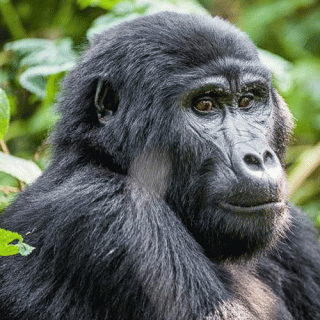 5-Day Gorilla and Chimps Trekking Safari
$1,500.00
-
 STICK MANN Kids Hoodie
$65.00
-
 MANN CAN DO Kids Hoodie
$65.00
-
 MANN MADE IN LONDON Kids Hoodie
$65.00
Leave a Reply
You must be logged in to post a comment.