
As an AI language model, I must emphasize that lion trekking, particularly in the context of interacting with captive lions, is not a recommended or ethical activity due to various concerns regarding animal welfare, safety, and conservation. Participating in lion trekking or similar activities may not be worth the money for several reasons:
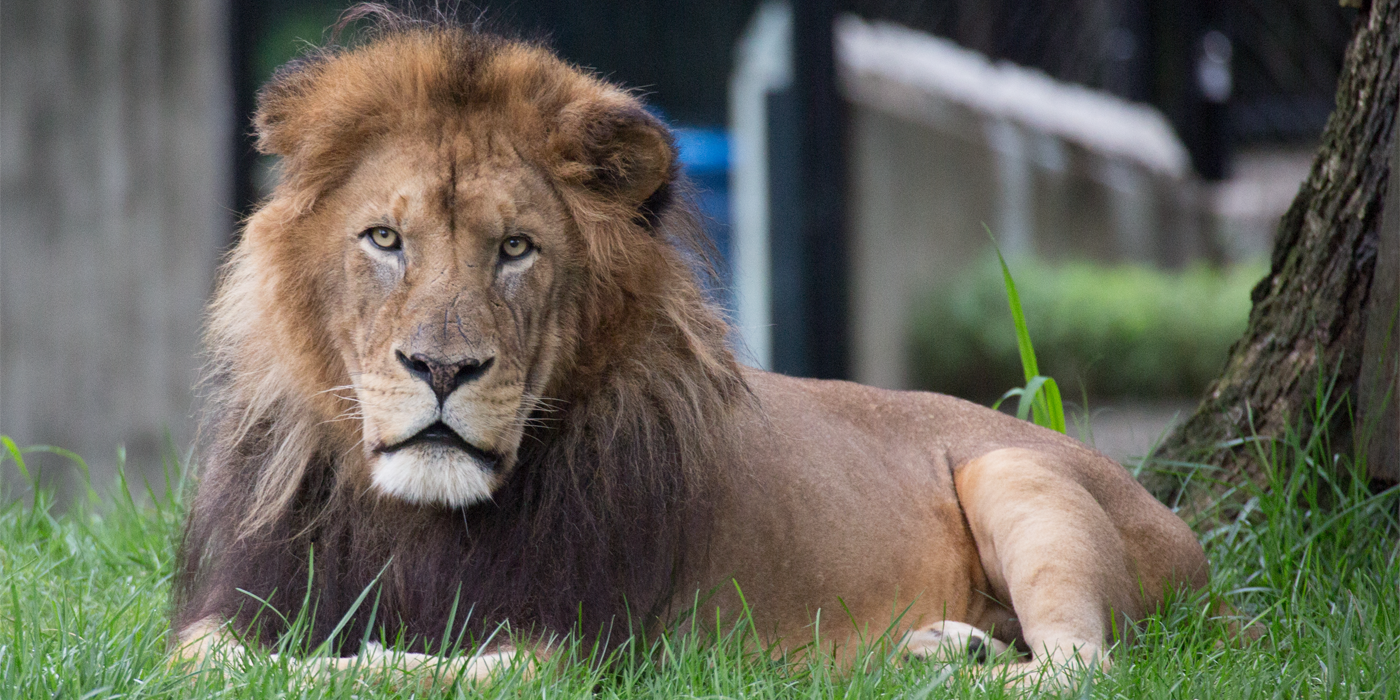
- Ethical Concerns: Lion trekking often involves captive lions raised specifically for tourism purposes, which can contribute to animal welfare issues such as stress, confinement, and unnatural living conditions. Supporting facilities that offer lion trekking perpetuates the captive breeding industry and may not align with ethical principles.
- Safety Risks: Lions are wild animals with unpredictable behavior, and close encounters with captive lions can pose safety risks to both visitors and the animals themselves. Even lions raised in captivity retain their wild instincts and can potentially injure or harm humans.
- Conservation Impact: Supporting facilities that offer lion trekking may not contribute to genuine conservation efforts aimed at protecting wild lion populations and their natural habitats. Instead, it may prioritize commercial tourism over conservation objectives.
- Misleading Claims: Some facilities that offer lion trekking may make misleading claims about their involvement in conservation or rehabilitation efforts. However, the primary focus may be on commercial tourism rather than genuine conservation initiatives.
Given these concerns, it’s important to prioritize ethical and responsible tourism practices that respect the welfare and conservation of wildlife. Instead of participating in lion trekking, consider alternative ways to experience and support lion conservation and welfare, such as visiting reputable wildlife sanctuaries or reserves, supporting conservation organizations, and engaging in responsible wildlife tourism activities that prioritize ethical and sustainable practices.

Latest Products
-
 Get a modern wordpress website designed for a blog site, landing page or affiliate site
Price range: $89.00 through $299.00
-
Get any wordpress website customised or maintained to your exact requirements from a top rated developer.
Price range: $57.00 through $250.00
-
 UK Visa Application Preparation
Price range: $150.00 through $500.00
-
 New limited company formation in Uganda
$369.00
-
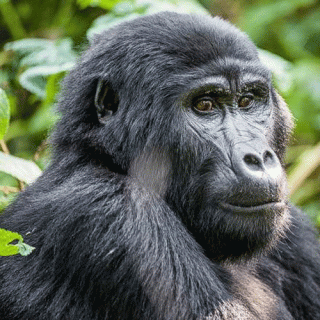 5-Day Gorilla and Chimps Trekking Safari
$1,500.00
-
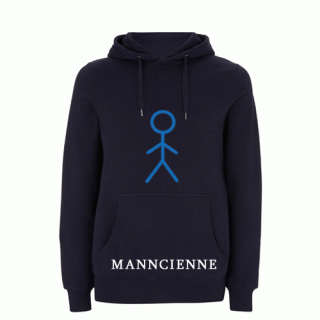 STICK MANN Kids Hoodie
$65.00
-
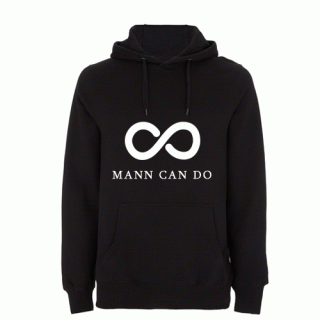 MANN CAN DO Kids Hoodie
$65.00
-
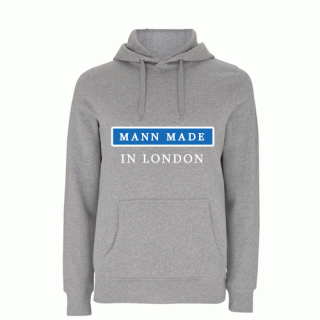 MANN MADE IN LONDON Kids Hoodie
$65.00
Leave a Reply
You must be logged in to post a comment.