The Ankole culture, found in the southwestern region of Uganda, is rich and diverse, characterized by unique customs, traditions, and practices. Here are some key aspects of Ankole culture:

- Cattle Keeping: Cattle are central to Ankole culture and economy. The Ankole long-horned cattle, known as Ankole cattle or “Inyambo,” are famous for their distinctively long and curved horns. Cattle are revered as symbols of wealth, status, and prestige, and they play a significant role in social, cultural, and economic life.
- Social Organization: Ankole society is organized around clans, with each clan tracing its lineage to a common ancestor. Clan identity is an essential aspect of Ankole culture, shaping social relationships, marriage customs, and community cohesion.
- Traditional Governance: The Ankole region was historically ruled by a king known as the Omugabe. The Omugabe was the supreme ruler of the kingdom and was assisted by a council of chiefs and elders. Although the kingdom was abolished in the 1960s, elements of traditional governance and authority still exist within Ankole communities.
- Art and Craftsmanship: Ankole artisans are known for their skill in crafting traditional artifacts, including pottery, basketry, weaving, and woodcarving. These crafts are not only functional but also carry symbolic and cultural significance within Ankole society.
- Ceremonies and Festivals: Ankole culture is rich in ceremonies and festivals that mark significant life events, agricultural seasons, and cultural celebrations. These include marriage ceremonies, initiation rites, harvest festivals, and rituals to honor ancestors and spirits.
- Traditional Music and Dance: Music and dance are integral parts of Ankole culture, with various traditional dances performed during social gatherings, ceremonies, and festivals. The Empaako dance, for example, is a lively and rhythmic dance performed to celebrate the giving of Empaako names, a traditional naming system in Ankole.
- Language: The primary language spoken in Ankole is Runyankole, which belongs to the Bantu language family. Runyankole is widely spoken and serves as a means of communication, cultural expression, and identity for the Ankole people.
- Cuisine: Ankole cuisine is diverse and includes dishes such as Eshabwe (ghee sauce), Akaro (millet bread), and various meat and vegetable stews. Milk and dairy products also feature prominently in Ankole cuisine, reflecting the importance of cattle in the region.
Overall, Ankole culture is a vibrant and dynamic expression of the traditions, values, and identity of the Ankole people. It is characterized by a deep connection to the land, cattle, and community, and it continues to evolve and adapt while preserving its rich cultural heritage.


 Get a modern wordpress website designed for a blog site, landing page or affiliate site
Price range: $89.00 through $299.00
 UK Visa Application Preparation
Price range: $150.00 through $500.00
 New limited company formation in Uganda
$369.00
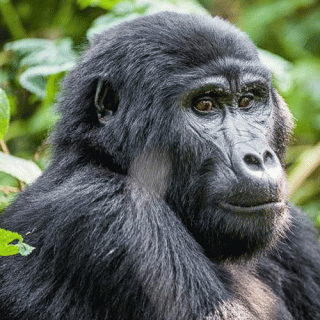 5-Day Gorilla and Chimps Trekking Safari
$1,500.00
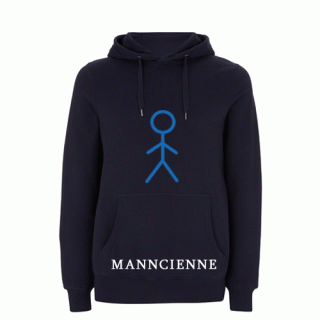 STICK MANN Kids Hoodie
$65.00
 MANN CAN DO Kids Hoodie
$65.00
 MANN MADE IN LONDON Kids Hoodie
$65.00