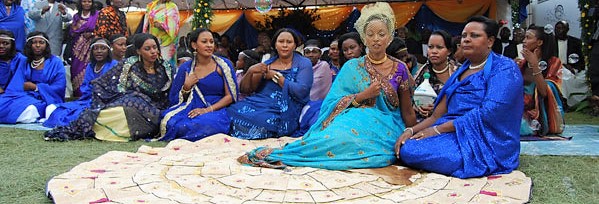
The culture of the Toro Kingdom, located in the western region of Uganda, is rich and diverse, shaped by its history, traditions, and the influence of various ethnic groups. Here are some key aspects of Toro culture:

- Traditional Governance: Toro Kingdom was historically ruled by the Omukama (king), who held significant authority and power within the kingdom. The Omukama was assisted by a council of chiefs and elders, who played important roles in decision-making and governance. Although the kingdom was abolished in the 1960s, elements of traditional governance and authority still exist within Toro communities.
- Language and Religion: The primary language spoken in Toro is Rutooro, which belongs to the Bantu language family. Christianity, particularly Catholicism and Anglicanism, is the dominant religion in Toro, although traditional beliefs and practices also coexist.
- Cultural Festivals and Ceremonies: Toro Kingdom celebrates various cultural festivals and ceremonies throughout the year, including the Empango (coronation anniversary) of the Omukama, which is marked with colorful processions, music, dance, and cultural performances. Other festivals celebrate harvests, cultural heritage, and community unity.
- Music and Dance: Music and dance are integral parts of Toro culture, with traditional dances such as the Runyege and the Amagunju being performed during social gatherings, ceremonies, and festivals. These dances are accompanied by drumming, singing, and hand clapping, creating a lively and vibrant atmosphere.
- Art and Craftsmanship: Toro artisans are known for their skill in crafting traditional artifacts, including pottery, basketry, weaving, and woodcarving. These crafts are not only functional but also carry symbolic and cultural significance within Toro society.
- Cuisine: Toro cuisine is diverse and includes dishes such as Eshabwe (ghee sauce), Akaro (millet bread), and various meat and vegetable stews. Staples such as plantains, cassava, and sweet potatoes are commonly used in Toro cooking, along with locally grown fruits and vegetables.
- Cultural Heritage Sites: Toro Kingdom is home to several cultural heritage sites, including royal palaces, tombs, and traditional shrines. These sites are important landmarks that reflect Toro’s history, traditions, and cultural identity.
- Social Organization: Toro society is organized around clans, with each clan tracing its lineage to a common ancestor. Clan identity is an essential aspect of Toro culture, shaping social relationships, marriage customs, and community cohesion.
Overall, Toro culture is a vibrant and dynamic expression of the traditions, values, and identity of the Toro people. It is characterized by a deep connection to the land, community, and cultural heritage, and it continues to thrive and evolve in the modern era.


 Get a modern wordpress website designed for a blog site, landing page or affiliate site
Price range: $89.00 through $299.00
 UK Visa Application Preparation
Price range: $150.00 through $500.00
 New limited company formation in Uganda
$369.00
 5-Day Gorilla and Chimps Trekking Safari
$1,500.00
 STICK MANN Kids Hoodie
$65.00
 MANN CAN DO Kids Hoodie
$65.00
 MANN MADE IN LONDON Kids Hoodie
$65.00