
Zebras are fascinating animals with unique characteristics and behaviors. Here are some of the most interesting facts about zebras:
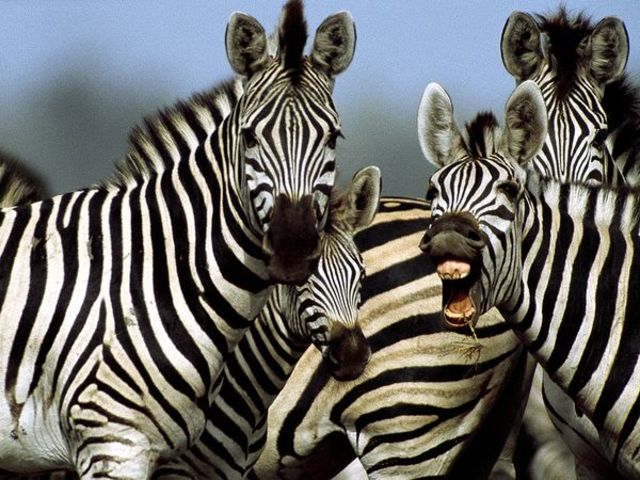
- Distinctive Stripes: Zebras are known for their black and white stripes, which are unique to each individual zebra, much like human fingerprints. These stripes serve as camouflage, helping zebras blend into their grassland habitats and confuse predators by creating optical illusions.
- Social Animals: Zebras are social animals that live in groups known as herds. These herds typically consist of several females, their offspring, and a dominant male known as the stallion. Zebras communicate with each other through vocalizations, body language, and scent marking.
- Diverse Species: There are three species of zebras: the plains zebra, the mountain zebra, and the Gravy’s zebra. Each species has its own unique characteristics, habitat preferences, and behaviors. The plains zebra is the most common and widespread species, found in various habitats across eastern and southern Africa.
- Herbivorous Diet: Zebras are herbivores, feeding primarily on grasses and occasionally on leaves, shoots, and bark. Their digestive system is specially adapted to process tough, fibrous plant material, allowing them to thrive in grassland habitats.
- Adaptations for Survival: Zebras have several adaptations that help them survive in their harsh grassland environments. Their large ears provide excellent hearing, allowing them to detect approaching predators, while their keen eyesight helps them spot danger from afar. Zebras are also fast runners, capable of reaching speeds of up to 65 kilometers per hour (40 miles per hour) to escape predators.
- Migratory Behavior: Some populations of zebras undertake seasonal migrations in search of water and food. These migrations can involve thousands of individuals moving across vast distances, following the availability of resources in their environment.
- Mating Rituals: During the breeding season, male zebras engage in elaborate courtship displays to attract females. These displays may include vocalizations, chasing, and physical interactions between males competing for mating opportunities.
- Endangered Status: While zebras are not currently classified as endangered, they face threats from habitat loss, fragmentation, poaching, and human-wildlife conflict. Conservation efforts are underway to protect zebras and their habitats across Africa.
- Hybridization: In some areas where different species of zebras coexist, hybridization between species can occur, resulting in unique hybrid zebras with mixed characteristics from both parent species.
- Cultural Significance: Zebras hold cultural significance in many African cultures and societies, appearing in folklore, art, and symbolism. They are often associated with traits such as freedom, independence, and resilience.
These fascinating facts highlight the remarkable nature of zebras and their importance in the ecosystems of Africa’s grasslands.

Latest Products
-
 Get a modern wordpress website designed for a blog site, landing page or affiliate site
Price range: $89.00 through $299.00
-
Get any wordpress website customised or maintained to your exact requirements from a top rated developer.
Price range: $57.00 through $250.00
-
 UK Visa Application Preparation
Price range: $150.00 through $500.00
-
 New limited company formation in Uganda
$369.00
-
 5-Day Gorilla and Chimps Trekking Safari
$1,500.00
-
 STICK MANN Kids Hoodie
$65.00
-
 MANN CAN DO Kids Hoodie
$65.00
-
 MANN MADE IN LONDON Kids Hoodie
$65.00
Leave a Reply
You must be logged in to post a comment.