
In the wild, zebras are herbivores and primarily feed on grasses, although they may also consume other vegetation such as leaves, shoots, and bark when grass is scarce. Their digestive systems are adapted to process tough, fibrous plant material, allowing them to thrive in grassland habitats. Here are some ways zebras obtain their food in the wild:
- Grazing: Zebras are grazers, meaning they feed on grass by grazing on the vegetation close to the ground. They use their strong, durable lips and specialized teeth to crop grasses efficiently.
- Browsing: In addition to grazing, zebras may engage in browsing behavior, where they consume leaves, shoots, and twigs from trees and shrubs. This behavior is more common during the dry season when grasses are scarce.
- Water Sources: Zebras, like other animals, require water for hydration, and they will visit water sources such as rivers, lakes, and watering holes to drink. These water sources also provide opportunities for zebras to graze on the lush vegetation that grows nearby.
- Foraging Patterns: Zebras are known to move in search of food, following seasonal changes in vegetation availability. During the wet season, when grasses are abundant, they may congregate in areas with lush, green vegetation. In contrast, during the dry season, they may migrate to areas with permanent water sources or rely on more drought-resistant grasses.
- Social Feeding: Zebras are social animals and often feed in groups, known as herds, which can provide protection from predators and help them find food more efficiently. Within the herd, zebras may take turns keeping watch for predators while others feed.
- Competition with Other Herbivores: Zebras may compete with other herbivores such as antelopes and wildebeest for access to food and water. Competition can influence their feeding behavior and movement patterns as they seek out areas with less competition or more abundant resources.
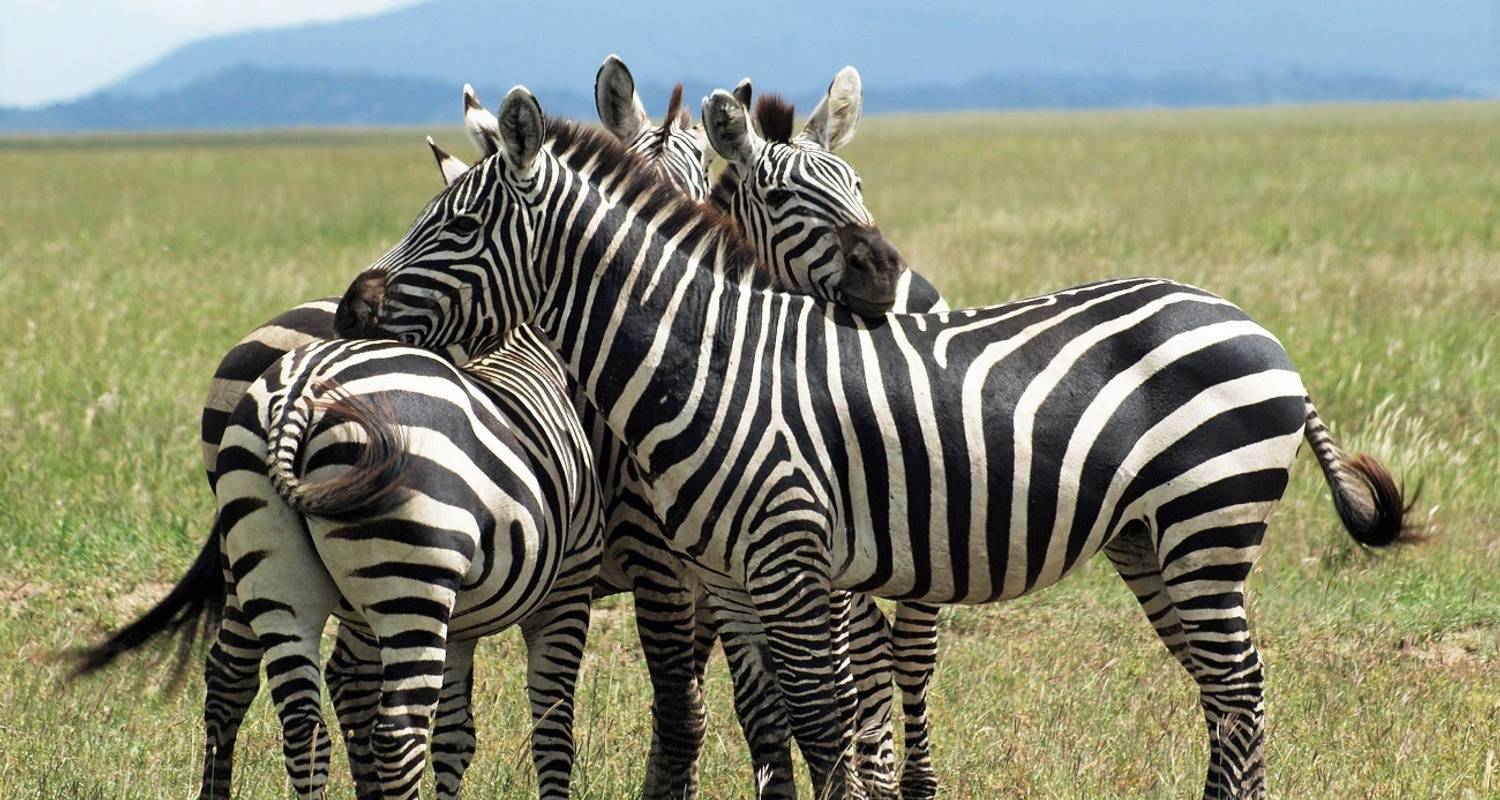
In captivity, such as in zoos or wildlife reserves, zebras are provided with a diet that mimics their natural feeding behaviors. This diet typically consists of high-quality grass hay, fresh grasses, and occasionally supplemented with leafy greens and other vegetation to ensure they receive adequate nutrition. Zookeepers and animal care staff monitor the health and dietary needs of captive zebras to ensure they thrive in their captive environments

Latest Products
-
 Get a modern wordpress website designed for a blog site, landing page or affiliate site
Price range: $89.00 through $299.00
-
Get any wordpress website customised or maintained to your exact requirements from a top rated developer.
Price range: $57.00 through $250.00
-
 UK Visa Application Preparation
Price range: $150.00 through $500.00
-
 New limited company formation in Uganda
$369.00
-
 5-Day Gorilla and Chimps Trekking Safari
$1,500.00
-
 STICK MANN Kids Hoodie
$65.00
-
 MANN CAN DO Kids Hoodie
$65.00
-
 MANN MADE IN LONDON Kids Hoodie
$65.00
Leave a Reply
You must be logged in to post a comment.