
The chances of seeing rhinos depend on several factors, including the location you visit, the habitat, and the conservation efforts in place. Here are some considerations that can affect your likelihood of seeing rhinos:
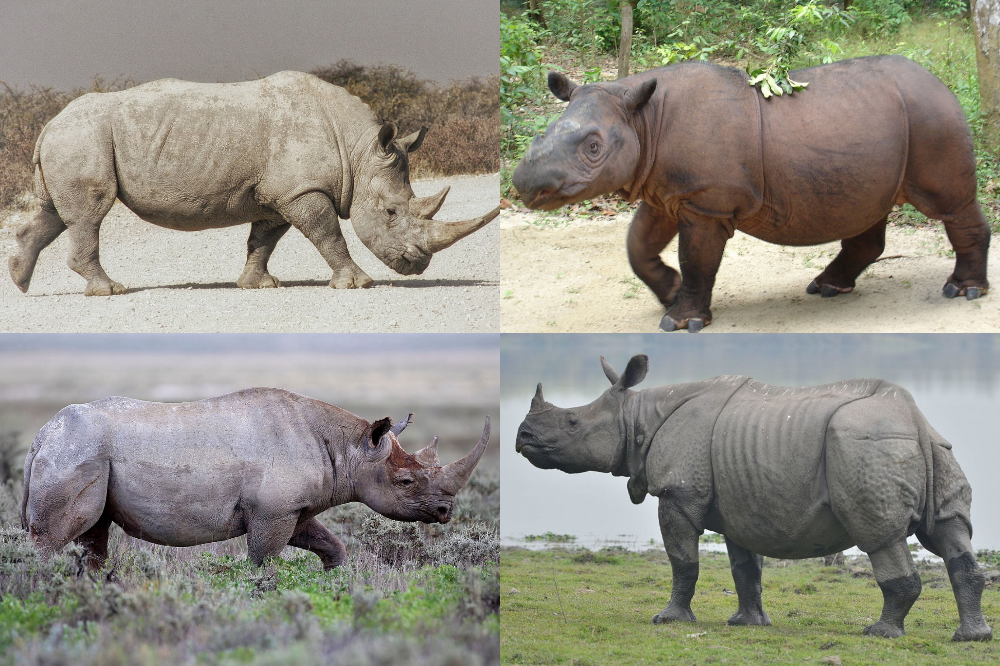
- Location: Certain countries and wildlife reserves are known for their rhino populations. For example, South Africa, Kenya, Namibia, Zimbabwe, and Nepal are some of the countries where rhino sightings are relatively common. Researching and choosing destinations with established rhino populations increase your chances of seeing them.
- Wildlife Reserves and Sanctuaries: Many rhinos are protected within national parks, wildlife reserves, and sanctuaries where conservation efforts are focused. These protected areas offer habitats conducive to rhino survival and often have trained guides who can help visitors track and locate rhinos.
- Time of Year: The time of year can influence rhino sightings, as vegetation and weather conditions change seasonally. Dry seasons, when vegetation is sparse and animals congregate around water sources, can be ideal for wildlife viewing, including seeing rhinos.
- Time of Day: Rhinos are typically more active during the early morning and late afternoon when temperatures are cooler. Participating in game drives or guided safaris during these times increases your chances of encountering rhinos.
- Conservation Efforts: The success of conservation efforts plays a significant role in rhino sightings. Countries and organizations that actively protect rhinos through anti-poaching measures, habitat restoration, and community engagement are more likely to have thriving rhino populations and opportunities for sightings.
- Guided Tours and Wildlife Experts: Joining guided tours led by experienced wildlife guides and experts increases your chances of seeing rhinos. These guides have local knowledge of rhino habitats and behaviors, enhancing your wildlife viewing experience.
- Patience and Persistence: Wildlife viewing requires patience and persistence, as animals may not always be easily visible. Spending multiple days on safari or exploring different areas within wildlife reserves increases your chances of encountering rhinos.
- Responsible Tourism Practices: Participating in responsible tourism practices supports conservation efforts and minimizes disturbances to wildlife. Adhering to park regulations, staying on designated trails, and respecting wildlife’s space increase the likelihood of successful rhino sightings.
While there are no guarantees of seeing rhinos in the wild, taking these factors into account and being prepared for wildlife encounters enhances your chances of experiencing the thrill of spotting these iconic and endangered animals in their natural habitat.

Latest Products
-
 Get a modern wordpress website designed for a blog site, landing page or affiliate site
Price range: $89.00 through $299.00
-
Get any wordpress website customised or maintained to your exact requirements from a top rated developer.
Price range: $57.00 through $250.00
-
 UK Visa Application Preparation
Price range: $150.00 through $500.00
-
 New limited company formation in Uganda
$369.00
-
 5-Day Gorilla and Chimps Trekking Safari
$1,500.00
-
 STICK MANN Kids Hoodie
$65.00
-
 MANN CAN DO Kids Hoodie
$65.00
-
 MANN MADE IN LONDON Kids Hoodie
$65.00
Leave a Reply
You must be logged in to post a comment.