
In captivity, such as in wildlife reserves or sanctuaries, rhinos are provided with a carefully managed diet to ensure they receive proper nutrition and meet their dietary needs. The specific feeding regimen for rhinos may vary depending on factors such as the rhino’s species, age, health status, and individual preferences. Here’s how rhinos are typically fed in captivity:
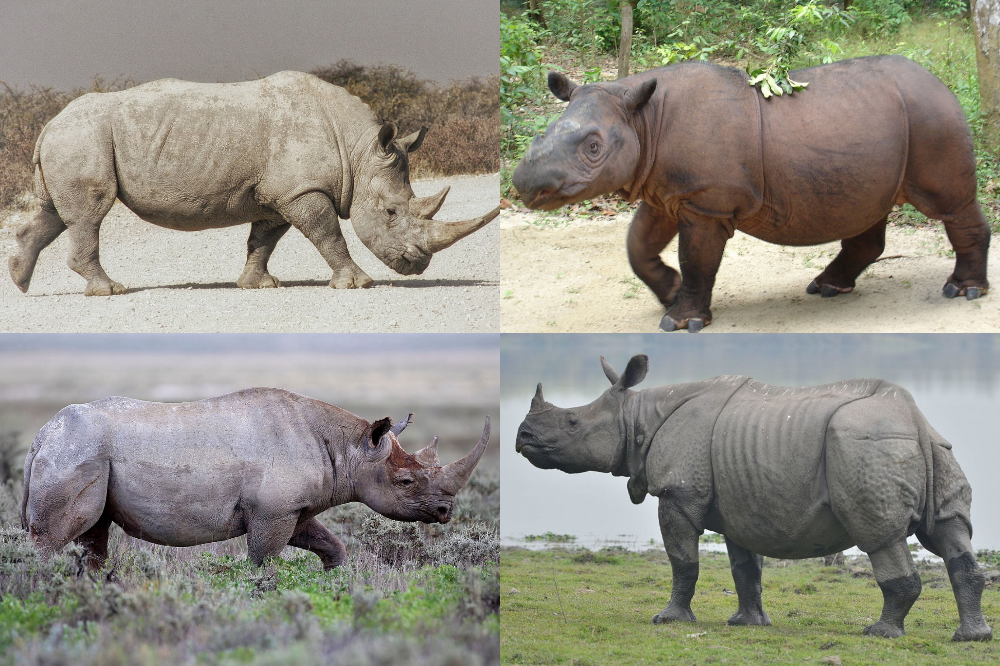
- Grasses and Hay: Grasses are the primary component of a rhino’s diet, as they are natural grazers. Rhinos are typically fed a variety of grasses, including Timothy grass, Bermuda grass, and Orchard grass. High-quality grass hay is also provided to supplement their diet and ensure they receive adequate fiber.
- Browse and Forage: In addition to grasses, rhinos may be offered browse, which includes leaves, twigs, and branches from various trees and shrubs. Providing browse allows rhinos to engage in natural foraging behaviors and adds variety to their diet.
- Commercial Pellets or Supplements: Some rhino facilities may provide commercial pelleted diets or nutritional supplements formulated specifically for rhinos. These pellets are designed to provide essential vitamins, minerals, and nutrients that may be lacking in their natural diet.
- Vegetables and Fruits: Rhinos may also be given a variety of vegetables and fruits as enrichment treats or dietary supplements. Carrots, apples, sweet potatoes, and leafy greens are commonly offered to rhinos as part of their diet.
- Water: Adequate access to fresh, clean water is essential for rhinos’ hydration and overall health. Rhinos are provided with access to water troughs or natural water sources within their enclosures to ensure they stay hydrated.
- Feeding Schedule: Rhinos are typically fed multiple times a day, with their diet divided into several smaller meals to mimic their natural grazing behavior. Feeding times and quantities may be adjusted based on factors such as the rhino’s age, health, and activity level.
- Supervised Feeding: Feeding rhinos in captivity is usually supervised by trained animal care staff or keepers who monitor the rhinos’ eating habits, ensure they are consuming their diet properly, and assess their overall health and well-being.
It’s important for rhinos in captivity to receive a balanced and varied diet that meets their nutritional needs and promotes their health and well-being. Keepers and animal care staff closely monitor the rhinos’ diet and adjust their feeding regimen as needed to ensure they remain healthy and thrive in their captive environment.

Latest Products
-
 Get a modern wordpress website designed for a blog site, landing page or affiliate site
Price range: $89.00 through $299.00
-
Get any wordpress website customised or maintained to your exact requirements from a top rated developer.
Price range: $57.00 through $250.00
-
 UK Visa Application Preparation
Price range: $150.00 through $500.00
-
 New limited company formation in Uganda
$369.00
-
 5-Day Gorilla and Chimps Trekking Safari
$1,500.00
-
 STICK MANN Kids Hoodie
$65.00
-
 MANN CAN DO Kids Hoodie
$65.00
-
 MANN MADE IN LONDON Kids Hoodie
$65.00
Leave a Reply
You must be logged in to post a comment.