
In captivity, the diet of elephants is carefully managed to ensure they receive adequate nutrition to maintain their health and well-being. Here’s how elephants are typically fed in captivity:
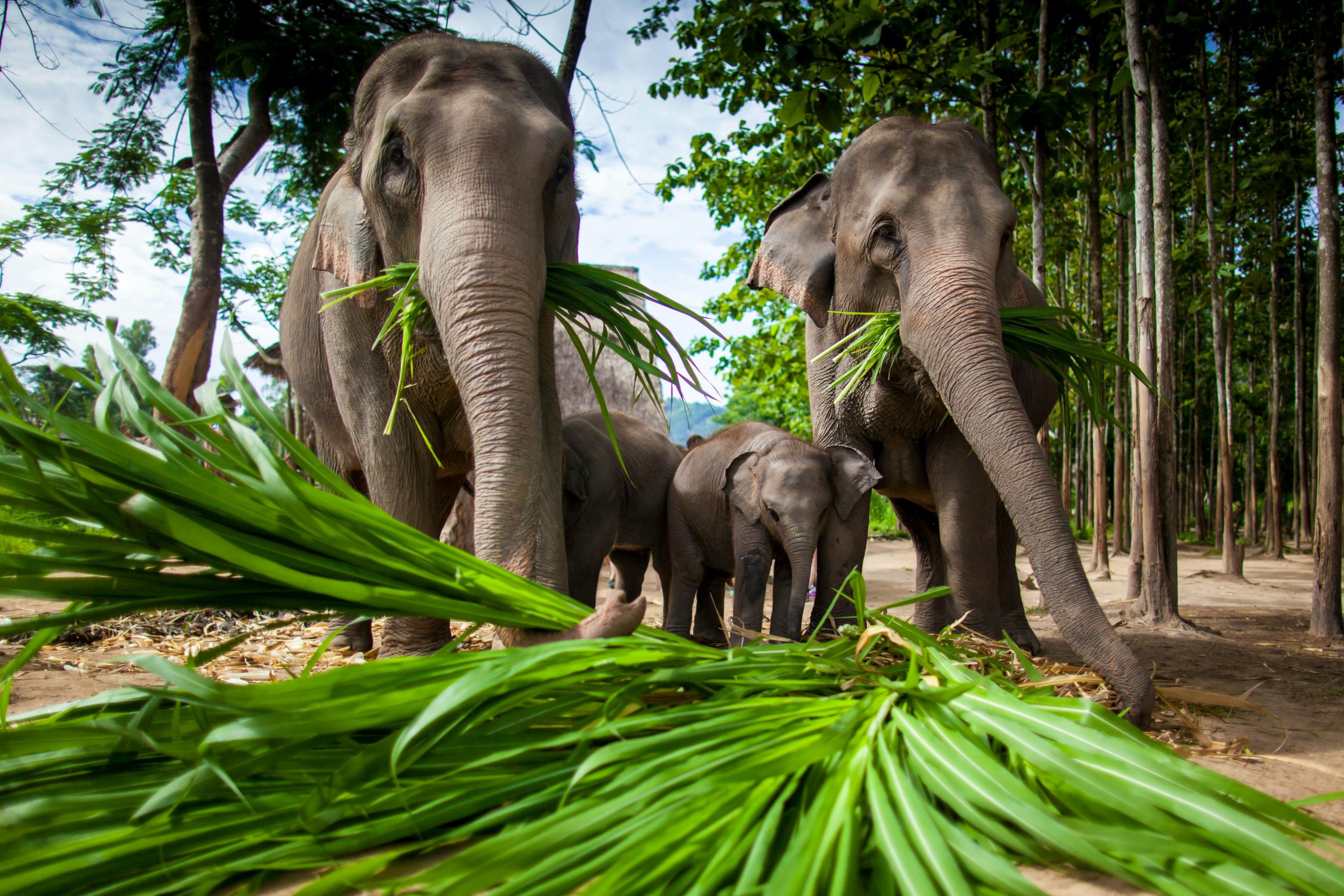
- Hay and Grass: Elephants are herbivores and consume large quantities of grasses and hay. These roughage materials provide essential fiber in their diet, which is crucial for digestion and gut health. High-quality grass and hay are typically provided daily to elephants in captivity.
- Fruits and Vegetables: In addition to grass and hay, elephants are also fed a variety of fruits and vegetables to supplement their diet. This can include items such as apples, bananas, carrots, melons, and leafy greens. These foods provide additional vitamins, minerals, and antioxidants.
- Tree Branches and Browse: Elephants enjoy eating tree branches, leaves, and other browse materials. Providing browse materials mimics their natural foraging behavior and helps satisfy their need to browse and explore. Carefully selected branches from non-toxic trees are provided to elephants for enrichment and variety in their diet.
- Commercial Pellets or Supplements: Some captive elephant facilities may also provide commercial pelleted diets or supplements formulated specifically for elephants. These pellets contain a balanced mix of nutrients, vitamins, and minerals to ensure elephants receive all the essential nutrients they need.
- Water: Elephants require large amounts of water for drinking and bathing. Clean, fresh water is provided to elephants throughout the day to keep them hydrated and healthy.
- Feeding Enrichment: To promote natural behaviors and mental stimulation, captive elephant facilities often provide feeding enrichment activities. This can include scattering food items around the enclosure to encourage foraging, hiding food items in puzzle feeders, or offering food in different forms to encourage manipulation and exploration.
Overall, the diet of captive elephants is carefully planned and monitored by animal care professionals to ensure they receive a balanced and nutritious diet that meets their dietary needs and promotes their health and well-being. Providing a variety of foods and enrichment activities helps keep elephants physically and mentally stimulated in captivity.

Latest Products
-
 Get a modern wordpress website designed for a blog site, landing page or affiliate site
Price range: $89.00 through $299.00
-
Get any wordpress website customised or maintained to your exact requirements from a top rated developer.
Price range: $57.00 through $250.00
-
 UK Visa Application Preparation
Price range: $150.00 through $500.00
-
 New limited company formation in Uganda
$369.00
-
 5-Day Gorilla and Chimps Trekking Safari
$1,500.00
-
 STICK MANN Kids Hoodie
$65.00
-
 MANN CAN DO Kids Hoodie
$65.00
-
 MANN MADE IN LONDON Kids Hoodie
$65.00
Leave a Reply
You must be logged in to post a comment.