
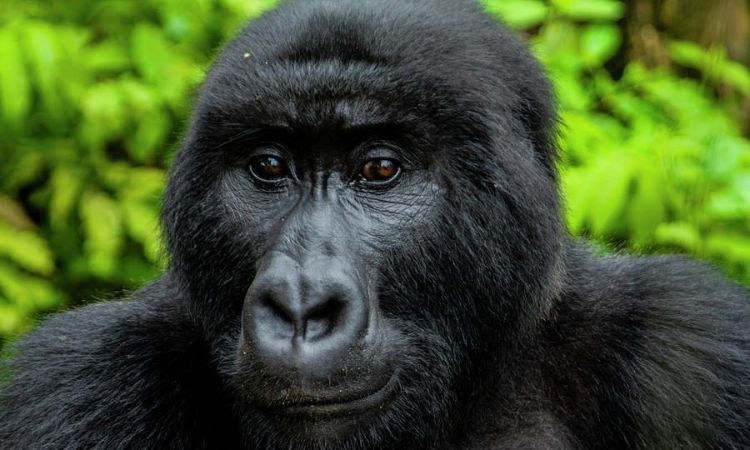
Keeping gorillas safe involves a combination of conservation efforts, law enforcement, community engagement, and habitat protection. Here are some key strategies:
- Protected Areas: Establishing national parks and reserves where gorillas can thrive without disturbance is crucial. These protected areas provide a safe haven for gorillas by safeguarding their habitats from human encroachment, logging, mining, and other destructive activities.
- Anti-Poaching Efforts: Poaching remains a significant threat to gorillas, primarily due to the demand for bush meat and illegal wildlife trade. Anti-poaching patrols, surveillance, and enforcement of laws against poaching are essential for protecting gorillas from being killed or captured.
- Community Engagement: Engaging local communities living near gorilla habitats is vital for conservation efforts. Providing alternative livelihoods, education, and healthcare can reduce dependence on natural resources and alleviate poverty, which in turn reduces the pressure on gorilla habitats.
- Tourism Management: Gorilla trekking tourism generates revenue that can be reinvested into conservation efforts. However, it must be carefully managed to minimize negative impacts on gorillas, such as habitat disturbance or disease transmission. Implementing strict guidelines for tourist behavior during gorilla encounters helps ensure the safety and well-being of the gorillas.
- Research and Monitoring: Continuous research and monitoring of gorilla populations are essential for understanding their behavior, health status, and habitat needs. This information informs conservation strategies and helps identify emerging threats that need to be addressed.
- International Cooperation: Gorilla conservation often requires collaboration between governments, conservation organizations, researchers, and local communities across international borders. By working together, stakeholders can share resources, expertise, and best practices to enhance gorilla protection efforts on a broader scale.
- Education and Awareness: Raising awareness about the importance of gorilla conservation among local communities, tourists, and the general public is crucial for garnering support and fostering a culture of conservation.
Overall, a multi-faceted approach that combines habitat protection, law enforcement, community engagement, sustainable tourism, and research is necessary to keep gorillas safe and ensure their long-term survival in the wild.

Latest Products
-
 Get a modern wordpress website designed for a blog site, landing page or affiliate site
Price range: $89.00 through $299.00
-
Get any wordpress website customised or maintained to your exact requirements from a top rated developer.
Price range: $57.00 through $250.00
-
 UK Visa Application Preparation
Price range: $150.00 through $500.00
-
 New limited company formation in Uganda
$369.00
-
 5-Day Gorilla and Chimps Trekking Safari
$1,500.00
-
 STICK MANN Kids Hoodie
$65.00
-
 MANN CAN DO Kids Hoodie
$65.00
-
 MANN MADE IN LONDON Kids Hoodie
$65.00
Leave a Reply
You must be logged in to post a comment.