Toro Kingdom, like many other regions in Uganda, has a vibrant tradition of music and dance. Traditional dances in Toro Kingdom are often performed during cultural ceremonies, celebrations, and social gatherings. Here are some notable dances from Toro Kingdom:
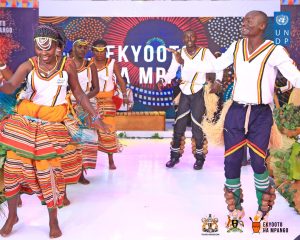
- Ekizino: Ekizino is a traditional dance performed by both men and women in Toro Kingdom. It is characterized by graceful movements, swaying hips, and synchronized footwork. Ekizino is often performed during weddings, cultural festivals, and other celebratory events.
- Entogoro: Entogoro is a ceremonial dance performed by men in Toro Kingdom. It is typically performed during important occasions such as coronations, royal ceremonies, and other formal events. Entogoro is known for its energetic movements, intricate footwork, and rhythmic drumming.
- Amagunju: Amagunju is a lively dance performed by both men and women in Toro Kingdom. It is often accompanied by singing, drumming, and hand clapping. Amagunju dance is characterized by its energetic and spirited movements, creating a festive atmosphere.
- Rwakisenta: Rwakisenta is a traditional dance performed by women in Toro Kingdom. It is a celebratory dance often performed during harvest festivals, weddings, and other joyous occasions. Rwakisenta dance is known for its graceful movements, rhythmic clapping, and vibrant costumes.
- Ekitalo: Ekitalo is a traditional dance performed by men in Toro Kingdom. It is a warrior dance that celebrates bravery, strength, and masculinity. Ekitalo dancers often wear traditional attire and carry spears or other symbolic weapons while performing energetic movements and choreographed routines.
- Ekitaguriro: Ekitaguriro is a ceremonial dance performed by women in Toro Kingdom. It is a dignified and elegant dance often performed during royal events, cultural ceremonies, and other formal occasions. Ekitaguriro dancers move gracefully, using hand gestures and body movements to convey cultural themes and symbolism.
These dances, along with others, play a significant role in preserving Toro Kingdom’s cultural heritage and identity. They serve as a means of social expression, community bonding, and cultural celebration, reflecting the values, beliefs, and traditions of the Toro people.


 Get a modern wordpress website designed for a blog site, landing page or affiliate site
Price range: $89.00 through $299.00
 UK Visa Application Preparation
Price range: $150.00 through $500.00
 New limited company formation in Uganda
$369.00
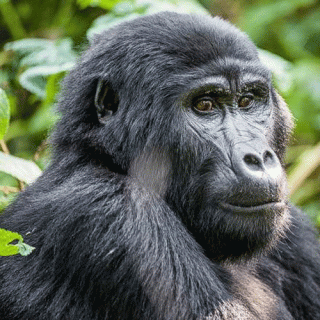 5-Day Gorilla and Chimps Trekking Safari
$1,500.00
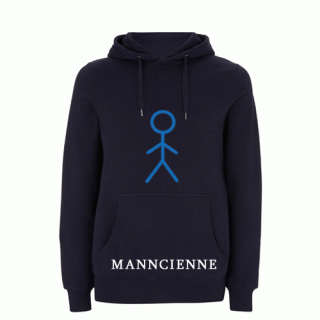 STICK MANN Kids Hoodie
$65.00
 MANN CAN DO Kids Hoodie
$65.00
 MANN MADE IN LONDON Kids Hoodie
$65.00