
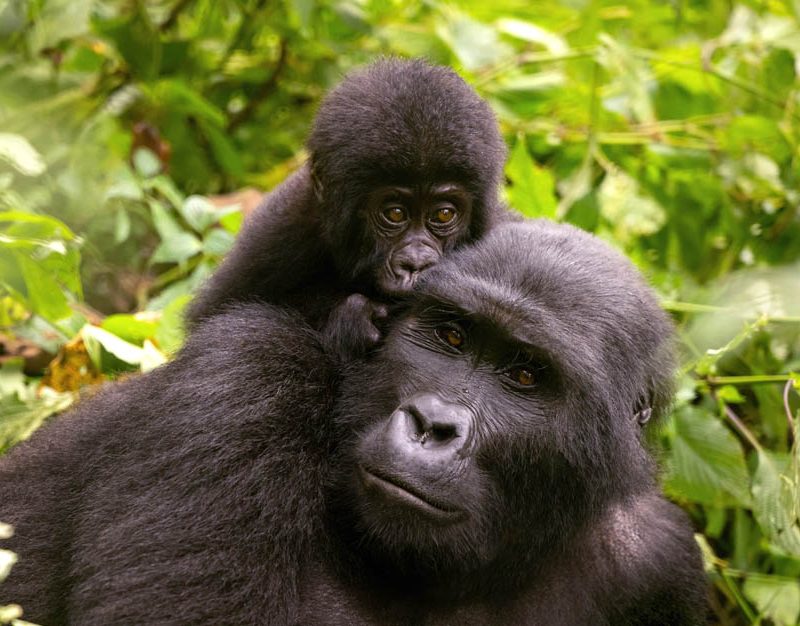
The procedure for gorilla trekking typically involves several steps to ensure a safe and enjoyable experience for visitors while minimizing disturbance to the gorillas and their habitat. Here’s an overview of the typical procedure:
- Booking: Start by booking your gorilla trekking permits well in advance, as they often have limited availability, especially during peak seasons. Permits can be obtained through the relevant national park authorities or authorized tour operators.
- Pre-Trekking Briefing: On the day of your trek, you’ll attend a pre-trekking briefing provided by park rangers or guides. This briefing covers important information about gorilla behavior, trekking guidelines, safety precautions, and what to expect during the trek.
- Group Allocation: Visitors are usually divided into small groups, each assigned to a specific gorilla family group for trekking. The group size may vary depending on park regulations and the specific gorilla family being visited.
- Trekking: Accompanied by experienced guides and armed park rangers, visitors embark on the trek into the jungle to search for the designated gorilla family. The duration and difficulty of the trek can vary depending on the location of the gorillas and the terrain.
- Encountering the Gorillas: Once the gorillas are located, visitors spend a designated amount of time with them, typically around 1 hour. During this time, visitors have the opportunity to observe the gorillas, take photographs, and learn from the guides about their behavior and habitat.
- Observation: While observing the gorillas, visitors are required to maintain a safe distance (usually around 7 meters or more) and follow the instructions of the guides to ensure the safety of both visitors and gorillas. Flash photography is often prohibited to avoid startling the gorillas.
- Return Trek: After spending time with the gorillas, visitors trek back to the park entrance or designated meeting point. The return trek follows a similar route as the initial trek, and visitors should be prepared for varying terrain and conditions.
- Debriefing: Upon returning from the trek, visitors may attend a debriefing session where they can share their experiences and ask questions. This provides an opportunity to reflect on the trek and learn more about gorilla conservation efforts.
It’s essential to adhere to the guidelines provided by park authorities and guides throughout the gorilla trekking experience to ensure the safety of both visitors and gorillas, as well as to minimize the impact on the environment.

Latest Products
-
 Get a modern wordpress website designed for a blog site, landing page or affiliate site
Price range: $89.00 through $299.00
-
Get any wordpress website customised or maintained to your exact requirements from a top rated developer.
Price range: $57.00 through $250.00
-
 UK Visa Application Preparation
Price range: $150.00 through $500.00
-
 New limited company formation in Uganda
$369.00
-
 5-Day Gorilla and Chimps Trekking Safari
$1,500.00
-
 STICK MANN Kids Hoodie
$65.00
-
 MANN CAN DO Kids Hoodie
$65.00
-
 MANN MADE IN LONDON Kids Hoodie
$65.00
Leave a Reply
You must be logged in to post a comment.