
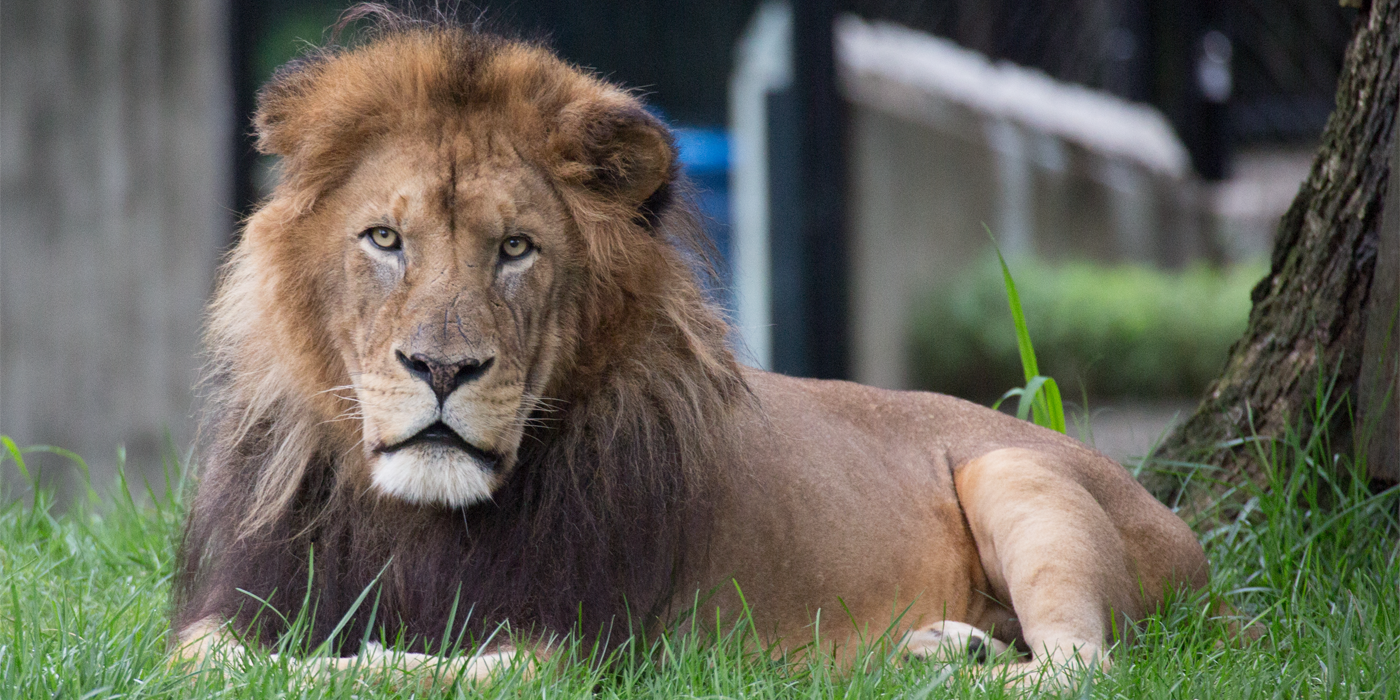
As of my last update, “lion trekking” is not a commonly offered or recommended tourist activity due to various ethical and safety concerns associated with interacting with captive lions. Unlike activities such as gorilla trekking or elephant safaris, where visitors observe animals in their natural habitats with minimal disturbance, lion trekking typically involves interactions with captive lions in controlled environments, such as wildlife parks, sanctuaries, or private reserves.
However, if you are referring to the procedure for observing lions in the wild during a safari or guided wildlife viewing experience, the general procedure typically involves the following:
- Booking: Book a safari or wildlife viewing experience with a reputable tour operator or lodge that offers guided game drives or safaris in areas known for lion populations. Research the destination, accommodation options, and activities available to ensure they align with your interests and preferences.
- Arrival and Orientation: Upon arrival at the lodge or safari camp, you’ll receive an orientation and briefing from the staff or guides. This briefing may cover safety guidelines, park regulations, and what to expect during the wildlife viewing experience.
- Game Drives or Safari: Join guided game drives or safaris led by experienced wildlife guides or rangers. These drives typically take place in specially equipped vehicles, such as open-sided safari vehicles or 4×4 vehicles, designed for wildlife viewing in natural habitats.
- Wildlife Spotting: During the game drives, your guides will search for wildlife, including lions, by scanning the landscape, following animal tracks, and listening for alarm calls from other animals. Guides are skilled at tracking wildlife and knowing where to find lions based on their behavior and movements.
- Observation and Photography: Once lions are spotted, the guides will position the vehicle for optimal viewing and photography opportunities while maintaining a safe distance from the animals. You’ll have the opportunity to observe the lions in their natural habitat, learn about their behavior, and capture photos of these magnificent creatures.
- Respect Wildlife and Environment: Practice responsible wildlife viewing by respecting animals’ space and natural behaviors. Adhere to park regulations and guidelines, maintain a safe distance from wildlife, and avoid disturbing or provoking animals.
- Return to Camp: After the game drive, return to the lodge or safari camp where you can relax, share your wildlife sightings with fellow travelers, and enjoy meals and accommodations provided by the lodge.
Overall, the procedure for observing lions during a safari or wildlife viewing experience involves joining guided game drives led by knowledgeable guides, respecting wildlife and park regulations, and enjoying the opportunity to witness lions and other wildlife in their natural habitat

Latest Products
-
 Get a modern wordpress website designed for a blog site, landing page or affiliate site
Price range: $89.00 through $299.00
-
Get any wordpress website customised or maintained to your exact requirements from a top rated developer.
Price range: $57.00 through $250.00
-
 UK Visa Application Preparation
Price range: $150.00 through $500.00
-
 New limited company formation in Uganda
$369.00
-
 5-Day Gorilla and Chimps Trekking Safari
$1,500.00
-
 STICK MANN Kids Hoodie
$65.00
-
 MANN CAN DO Kids Hoodie
$65.00
-
 MANN MADE IN LONDON Kids Hoodie
$65.00
Leave a Reply
You must be logged in to post a comment.