
The chances of seeing zebras during a safari or wildlife viewing excursion depend on various factors, including the specific location you visit, the time of year, and the habitat. While zebras are relatively common in certain areas of Africa, wildlife sightings are never guaranteed due to the unpredictable nature of animals in the wild. However, several factors can influence your chances of seeing zebras:
- Location: Zebras are found in various habitats across Africa, including savannas, grasslands, woodlands, and semi-arid regions. Researching and visiting national parks, wildlife reserves, and conservation areas known for their zebra populations increases your chances of encountering these iconic animals.
- Time of Day: Zebras are diurnal animals, meaning they are primarily active during the day. Participating in game drives or guided safaris during the early morning or late afternoon, when zebras are most active, increases your chances of sightings.
- Season: The dry season, typically occurring from June to October in many African countries, is generally considered the best time for wildlife viewing, including observing zebras. During the dry season, vegetation is sparse, and animals congregate around remaining water sources, making them easier to spot.
- Water Sources: Zebras, like other wildlife, require water for drinking, and they are often found near rivers, lakes, and watering holes. Visiting areas with permanent water sources increases your chances of encountering zebras as they gather to drink and graze on the surrounding vegetation.
- Expert Guides: Joining guided safaris or wildlife viewing excursions led by experienced guides or rangers increases your chances of seeing zebras. These guides are familiar with the behavior and movements of zebras and can take you to areas where sightings are more likely.
- Patience and Persistence: Wildlife viewing requires patience and perseverance. Spending multiple days on safari, exploring different areas within national parks or reserves, and being alert and observant increase your chances of encountering zebras and other wildlife.
- Respect Wildlife and Environment: Practice responsible wildlife viewing by respecting animals’ space and natural behaviors. Adhere to park regulations and guidelines, maintain a safe distance from wildlife, and avoid disturbing or provoking animals.
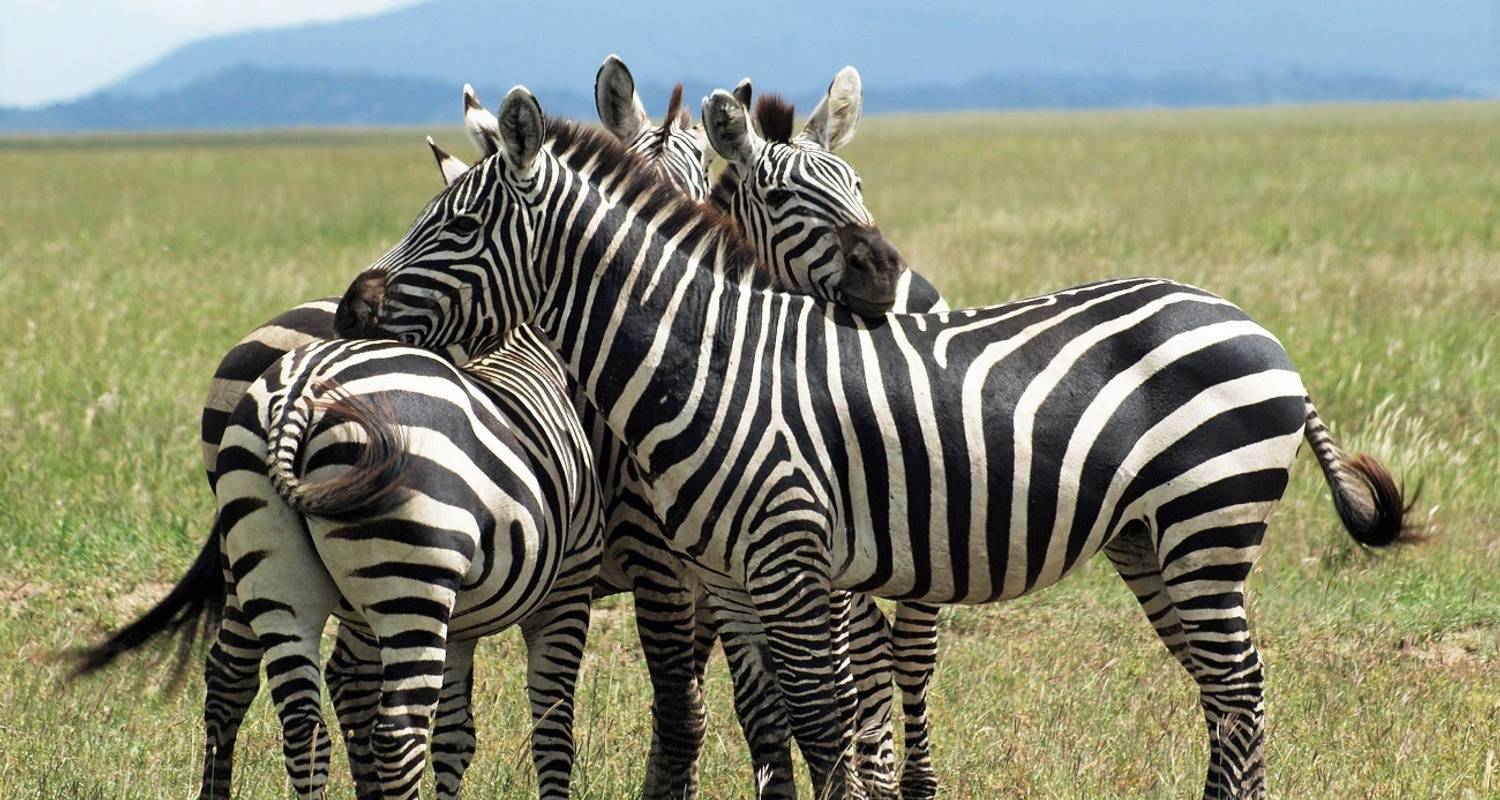
While there are no guarantees of zebra sightings in the wild, following these tips and being prepared for wildlife encounters can enhance your chances of experiencing the beauty and diversity of Africa’s landscapes and wildlife, including the iconic zebras.

Latest Products
-
 Get a modern wordpress website designed for a blog site, landing page or affiliate site
Price range: $89.00 through $299.00
-
Get any wordpress website customised or maintained to your exact requirements from a top rated developer.
Price range: $57.00 through $250.00
-
 UK Visa Application Preparation
Price range: $150.00 through $500.00
-
 New limited company formation in Uganda
$369.00
-
 5-Day Gorilla and Chimps Trekking Safari
$1,500.00
-
 STICK MANN Kids Hoodie
$65.00
-
 MANN CAN DO Kids Hoodie
$65.00
-
 MANN MADE IN LONDON Kids Hoodie
$65.00
Leave a Reply
You must be logged in to post a comment.